
Guide on How to Potty Train Your Dog or Puppy

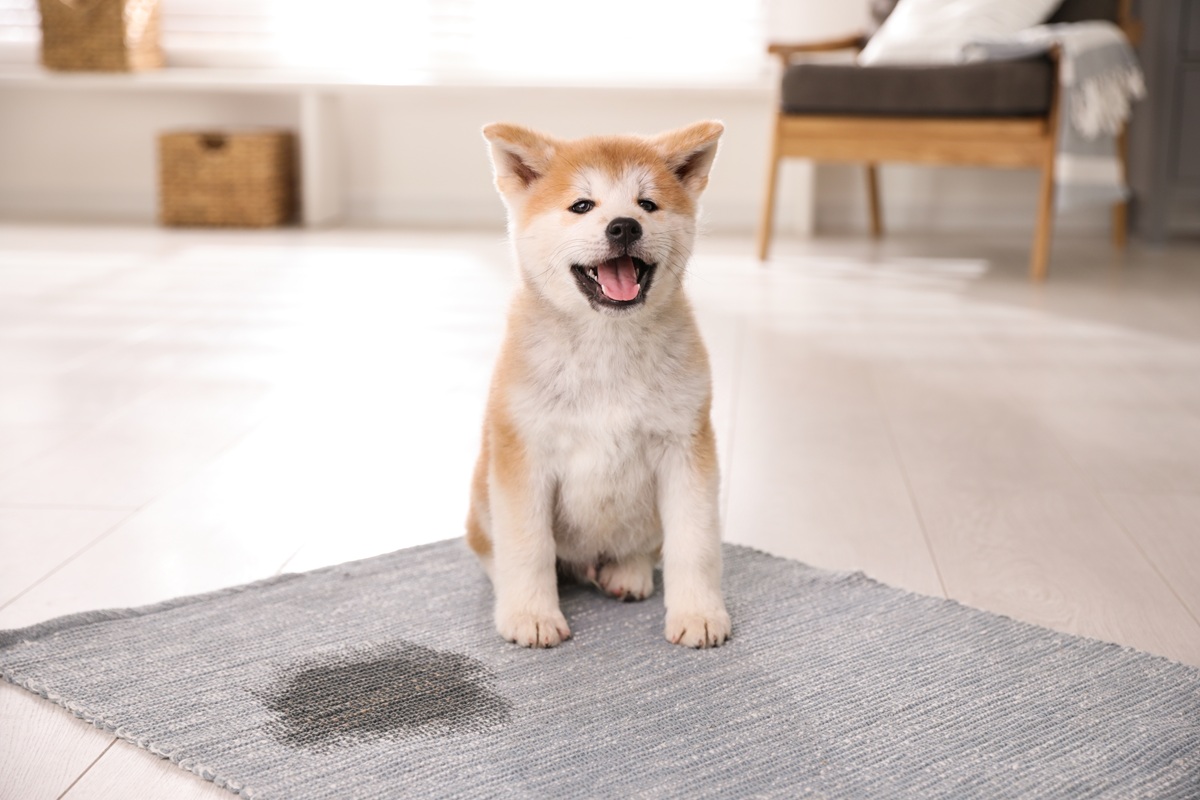
Bringing a new dog or puppy into your home is exciting, but it also comes with important responsibilities. Potty training, or toilet training, is one of the most essential, and while it can feel challenging at first, successful housetraining sets the stage for a lifetime of good habits and a strong bond between you and your companion.
This guide offers a clear, step-by-step framework to help you and your dog move through this phase with confidence, turning potential messes into milestones.We also cover common challenges, including accidents, submissive urination, and marking behaviours, and explain how to address them effectively. Finally, we will discuss how long the process typically takes and what to do if a previously trained dog begins having accidents, so you are prepared for a happy, stress-free life with your dog.
Why Potty Training Is Important
A well-trained dog is a happier dog, and a well-trained owner is a happier owner. Beyond keeping your home clean, effective potty training is essential for several reasons. It prevents unsanitary conditions that can lead to health issues such as urinary tract infections or parasites, and it gives your dog a sense of structure and security. Potty training also strengthens your bond, as clear communication and consistency build trust between you and your dog.
Recommended Age to Start Toilet Training Your Dogs
Starting potty training as early as possible improves success. Experts recommend beginning as soon as your puppy arrives home, usually between 8–12 weeks old. At this stage, puppies are ready to learn routines and cues for elimination even if accidents still happen due to developing bladder control. For puppies younger than 8 weeks, frequent outdoor breaks every 1–2 hours helps reinforce good habits and reduce indoor accidents.
Understanding the right age to start training is crucial because younger puppies learn habits faster and adapt more easily to routines.
Signs Your Dog Needs to Go
Recognising your dog’s cues is the first step to successful potty training. Common behavioural signals include pacing, circling, whining, or sniffing the ground with focused attention. Physical signals may include squatting or pausing suddenly during play. Time-based patterns are just as important. Most dogs need to go shortly after waking up, after eating or drinking, and after a long nap. Puppies, in particular, may need to go every few hours due to their smaller bladders.
Setting Up a Potty Training Schedule
A consistent schedule is essential. Here is a practical daily routine:
- Morning: Immediately after waking up
- After meals or drinking: Puppies usually eliminate soon after eating
- After play or naps: Activity stimulates their bladder and bowels
- Before bedtime: Set your puppy up for success overnight
A clear and predictable schedule helps your puppy know when it is time to go potty, reducing accidents and reinforcing positive behaviour.
Age also helps determine how long puppies can hold it, for example, a 3-month-old may need to go every 3 hours. Use the same verbal cue, like “go potty”, every time you take them out to help dogs associate the command with the action.
Proven Potty Training Methods
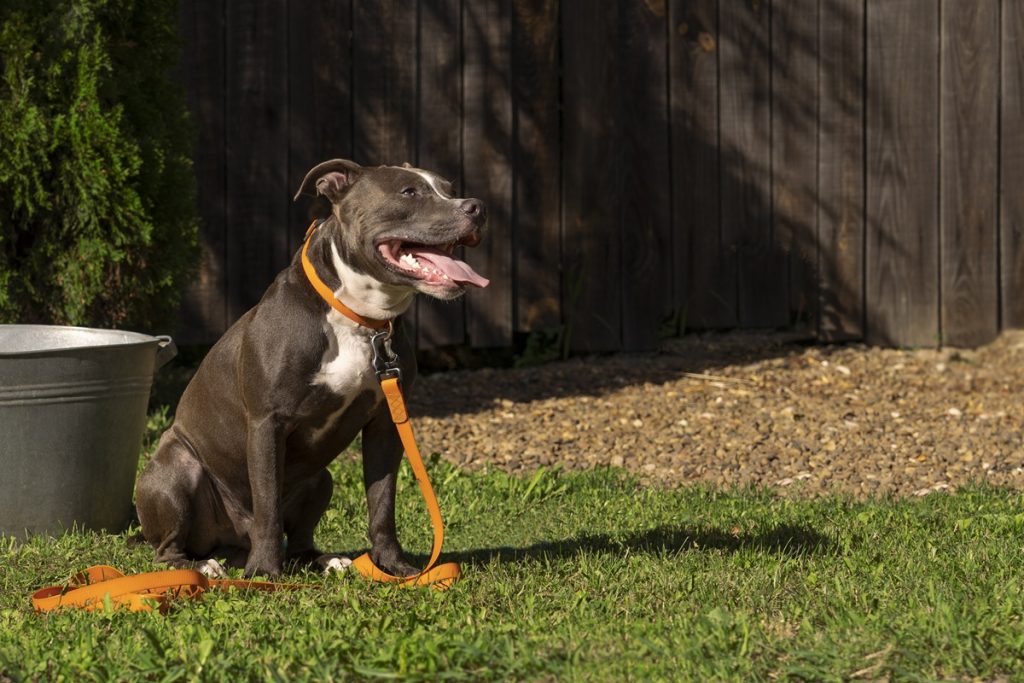
Consistency is the key to success. By implementing a solid routine and using positive reinforcement, you can help your dog learn quickly.
- Crate Training
Dogs have a natural instinct to keep their sleeping area clean. Using a crate that is just large enough for your dog to stand, turn, and lie down allows you to take advantage of this instinct. The crate should never be used as punishment but as a safe, comfortable den. Because dogs avoid soiling their own space, they will typically hold their bladder until you let them outside.
- Schedule-Based Training
Set a predictable routine for meals, water, and potty breaks. Puppies generally need to go outside every 1–2 hours, as well as immediately after waking, eating, and playing. Adult dogs usually require three to five potty breaks per day. Stick to this schedule, even on weekends, to build a reliable habit.
- Bell Training
This method teaches your dog to signal when they need to go outside. Hang a set of bells on the door you use for potty breaks. Each time you take your dog out, gently guide their paw to ring the bells, then reward them after they eliminate outdoors. Over time, your dog will associate ringing the bells with going outside and will start to signal on their own.
- Positive Reinforcement
Whenever your dog eliminates in the correct spot, reward them immediately with praise, a small treat, or play with a favourite toy. This creates a positive association and encourages them to repeat the behaviour. Never punish accidents, as it creates fear and confusion without teaching your dog the right behaviour.
Designing Ideal Potty Spots (Indoor and Outdoor)
Choosing the right location for elimination is important. Puppies learn faster when they have a consistent spot indoors or outdoors to use.
Outdoor Potty Areas
- Designate a specific outdoor spot for elimination.
- A consistent location with natural grass or soft soil helps puppies recognize and return to the same area.
- Keep the area clean and free of waste so your puppy learns to use it again.
Indoor Options (Apartments)
- Use puppy pads or indoor potty stations strategically near exits.
- Keep the pads in the same location until the puppy consistently uses them, then gradually transition them closer to the door and ultimately outside.
Note, puppy pads can sometimes confuse puppies if used long term, so pair them with outdoor training and a consistent routine.
Reading Your Puppy’s Signals
Observing your puppy’s behaviour and understanding their signals is key to preventing accidents and reinforcing training habits.
Knowing your puppy’s warning signs can prevent accidents, such as restlessness or pacing, sniffing and circling, barking or scratching at the door, and squatting posture. When you notice any of these, take them right to the potty spot. Acting quickly and consistently reduces mistakes and speeds up learning.
Common Potty Training Problems
Even with the best plan, accidents can happen. Understanding why they occur and responding the right way is important for successful training.
Handling Accidents: What to Do and Not to Do
A single accident does not mean your dog is failing to learn. How you respond makes all the difference.
- Stay calm: Your reaction directly affects your dog’s learning. Yelling, scolding, or showing anger will not teach them to stop. Instead, it creates fear and anxiety, which can cause your dog to hide when they need to relieve themselves. Humane organisations, including the SFSPCA, confirm that punishment often increases fear-related behaviours and erodes trust.
- Clean thoroughly: Dogs’ noses are far more sensitive than ours. Even if a spot seems clean, lingering odours can draw them back. Use an enzymatic cleaner designed for pet messes. Standard cleaners often contain ammonia, which is also found in urine and may encourage repeat marking. Enzymatic cleaners break down odour-causing molecules, eliminating the scent.
- Do not rub their nose in it: This outdated method is ineffective and cruel. Dogs do not understand this as a lesson. They would only become confused and fearful, damaging the bond you’re trying to build.
Submissive or Excitement Urination
This is an involuntary response, especially common in puppies or timid dogs. It is not disobedience. Small amounts of urine may be released when the dog is overwhelmed by fear, anxiety, or excitement.
- How to manage it: Keep greetings calm and quiet. When you arrive home, ignore your dog for a few minutes until they settle down. Avoid direct eye contact, leaning over them, or loud greetings, as these can be intimidating. Ask visitors to do the same. Most dogs outgrow this behaviour as they mature and gain confidence.
Urine Marking vs. Full Bladder Release
It’s important to distinguish between marking and a standard accident.
- Marking is usually a small amount of urine on a vertical surface, often linked to territorial behaviour. It’s most common in intact males but can also occur in females.
- A full bladder release leaves a large puddle on the floor and typically indicates urgency or lack of control.
- How to manage marking: Spaying or neutering can reduce marking by around 60%. For already-fixed dogs, focus on supervision, consistent training, and cleaning marked spots with enzymatic cleaners.
Housetraining Regression
If a previously housetrained dog begins having accidents, something has changed. It’s important not to assume the cause is purely behavioural.
- Possible causes: The most common causes are medical issues such as a urinary tract infection, bladder stones, or age-related incontinence, changes in routine, which usually happen after moving to a new home or a new work schedule, or anxiety, which might be caused by a new pet or family member, or loud noises.
- What to do: First, see a vet to rule out medical issues. If no medical cause is found, go back to the basics. Re-implement your strict potty training schedule as if your dog were a puppy, and gradually extend intervals as your dog regains consistency.
3 Common Setbacks
Even with a good routine, puppies may face setbacks. Recognising common problems early helps you address them effectively and continue training successfully.
- Frequent Indoor Accidents
It is common for puppies under 6 months to have indoor accidents because their bladder and bowel control are still developing. Frequent accidents do not mean your training is failing. Instead, they indicate that your puppy needs more frequent opportunities to go outside. You can reduce accidents by taking your puppy out at shorter intervals, especially after meals, playtime, naps, and waking up. Always praise and reward them immediately after they eliminate in the correct spot to reinforce positive behaviour.
- Puppy Reluctant to Go in New Spots
Some puppies may hesitate or refuse to go in new locations. This could be due to unfamiliar scents, surfaces, or distractions. To help your puppy adjust, always take them to the same spot initially so they can recognise it as their designated toilet area. Encourage movement by letting them walk to the spot rather than carrying them. You can also gently guide them and use your verbal cue consistently. Patience and repetition will help them feel confident and develop a habit of going in the right place.
- Patience Is Key
Potty training takes time and will vary for each puppy depending on age, temperament, and past experiences. Some puppies learn quickly within a few weeks, while others may take several months to be fully reliable. It is important to stay calm, consistent, and encouraging throughout the process. Avoid scolding or punishing your puppy for accidents as this can create fear and confusion. Instead, focus on positive reinforcement, patience, and a predictable routine to ensure long-term success.
How Long Does Potty Training Take?
The duration of potty training varies widely and depends on several factors. There is no one-size-fits-all answer, so patience is essential.
- Age: For puppies, a good rule of thumb is that a puppy can hold its bladder for approximately as many hours as its age in months. For example, a 3-month-old puppy can hold it for about 3 hours. Full bladder control usually develops by around 6 months of age, though some puppies may take longer.
- Consistency and schedule: A predictable routine is the single most important factor for success. The more consistent you are with feeding, potty breaks, and praise, the faster your dog will make progress.
- Prior history: Adult dogs with previous housetraining experience often relearn quickly, while dogs with no training history may take longer.
- Breed: Small breeds often need more frequent potty breaks because of their smaller bladders and faster metabolisms, whereas larger breeds may be able to wait longer between outings.
My Dog is Toilet Trained but Has Accidents When Left Alone
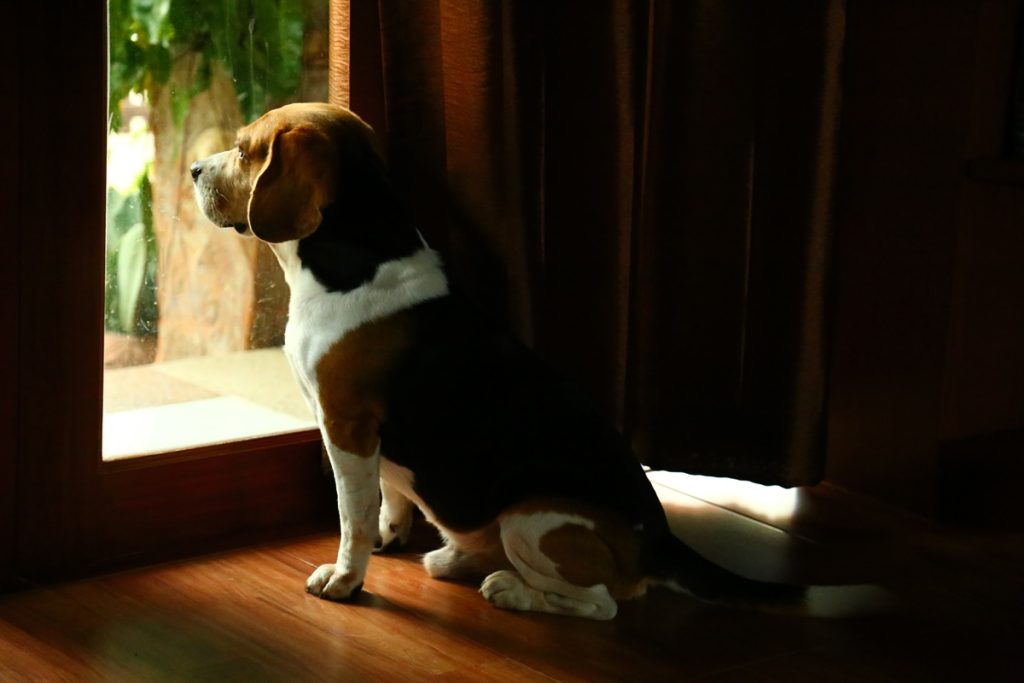
Accidents in a housetrained dog can be frustrating, but they usually signal an underlying issue rather than a lapse in training.
- Separation Anxiety: If your dog is housetrained but has accidents only when you are away, it may not be a potty training issue but a sign of separation anxiety. Research from the RSPCA shows that up to 8 out of 10 dogs find it hard to cope when left alone, and this can show up as inappropriate urination or defecation. These incidents are not acts of defiance but signals of emotional stress.
- Managing the Behavior: The key is to address the underlying anxiety. Techniques such as gradual desensitisation to being alone, providing enrichment toys, or consulting a professional trainer or behaviourist can help. In more severe cases, a vet may recommend medical support alongside training.
- Medical issues: Before assuming the problem is behavioural, consult your vet to rule out health conditions. Urinary tract infections, gastrointestinal problems, or age-related incontinence can all cause accidents. In addition to conventional treatment, you can explore complementary options such as veterinary acupuncture, which may provide support in certain cases of incontinence.
Conclusion
Potty training requires patience, persistence, and a lot of positive reinforcement. By understanding your dog’s cues, establishing a solid routine, and reacting calmly to accidents, you can help your companion learn this essential life skill. While it may have its challenges, the effort you put in now will lead to a cleaner home and a more rewarding, happy relationship with your dog for years to come.
For extra support, our certified trainers at Ollie and Hana can provide personalised guidance to help you and your dog succeed.