
What Is A Pet Boarding Service?

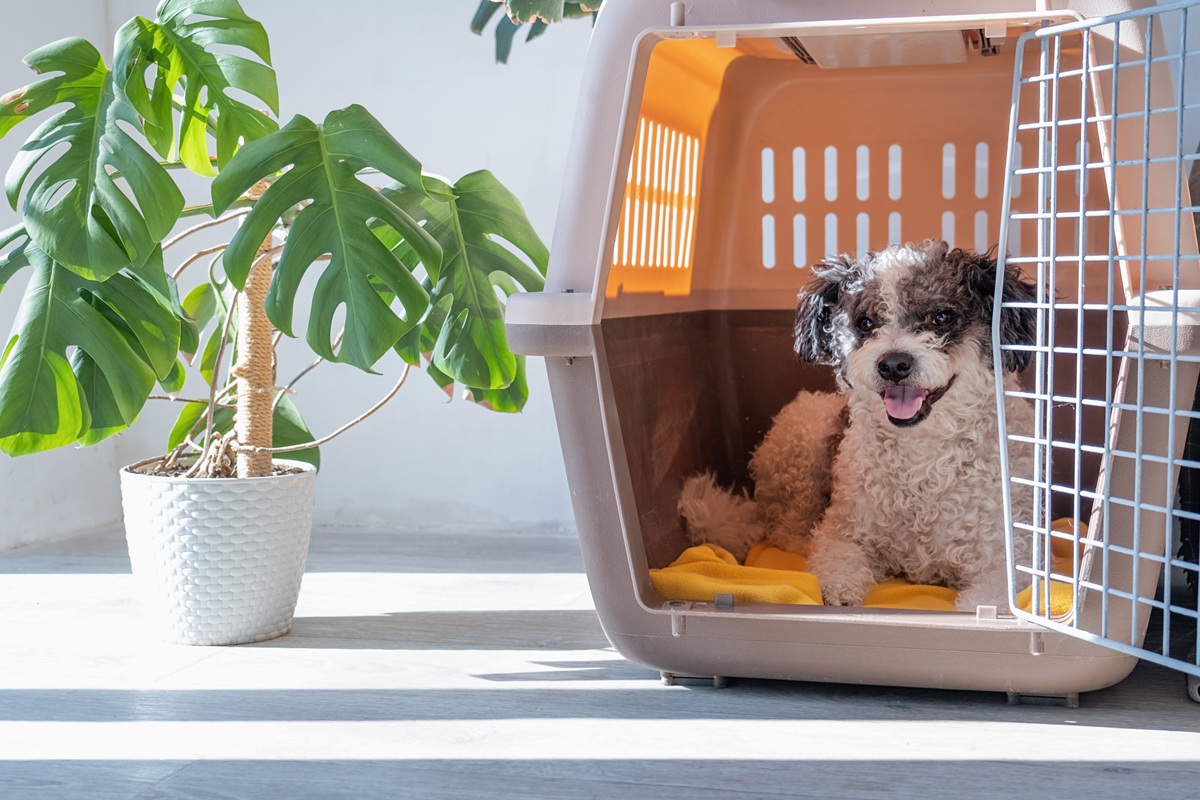
Leaving your beloved pet behind when you travel can be a source of stress and worry. Fortunately, the professional pet care industry has evolved to offer a variety of options to ensure your furry family member is well-cared for. One of the most popular solutions is pet boarding, a service that provides a temporary, supervised home for your pet. With the global pet boarding services market valued at USD 19.8 billion (RM83.4 billion) in 2023 and projected to reach USD 29.5 billion (RM123.8 billion) by 2032, it’s clear that more pet owners are turning to these services for peace of mind while they are away.
In this comprehensive guide, we’ll explore everything you need to know about pet boarding. We’ll start by defining what the service is and then dive into the key reasons to board your pet, including the benefits of professional supervision, socialization, and a consistent routine. We’ll also break down the cost of boarding with specific examples from our pet hotel.
What is Pet Boarding?
At its core, pet boarding is the act of entrusting your pet to a professional facility or individual for a set period. Unlike simply leaving a friend to check in on your pet, a boarding service ensures your animal’s safety, health, and well-being are a top priority, with trained professionals providing round-the-clock care.
Reasons to Board Your Pet
Pet boarding offers several benefits for both pets and their owners:
- Supervision and Safety: Professional facilities ensure your pet is monitored around the clock, reducing the risk of accidents.
- Socialization Opportunities: Boarding allows pets to interact with other animals and people in a controlled and safe setting, which can reduce loneliness and boredom. This is important, especially in younger dogs as study shows that inadequate socialization can lead to behavioural problems in adult dogs.
- Consistent Care and Routine: Facilities maintain a consistent schedule for feeding, exercise, and rest, which helps reduce stress.
- Professional Health Monitoring: Staff are trained to recognize signs of illness or distress and have emergency protocols in place.
Is Pet Boarding Suitable for Every Pet
Pet boarding can be a positive experience, but suitability depends on your pet’s personality, health, and past experiences.
- Social and confident pets: Pets that enjoy meeting new people or animals usually adapt well to boarding environments.
- Pets with separation anxiety: These pets may struggle initially and benefit from short trial stays or extra enrichment support.
- Senior pets: Older pets may require quieter environments, softer bedding, and closer health monitoring.
- Pets with medical needs: Some boarding facilities can manage medication schedules and special diets, while others may have limitations.
- Young pets: Puppies and kittens often require higher supervision and consistent routines to feel secure.
Understanding your pet’s individual needs helps you choose a boarding option that supports both comfort and safety.
How Much Does Pet Boarding Cost?
The cost of pet boarding varies widely depending on the type of service and the facility’s location and amenities. For example, at Ollie and Hana, our prices for pet hotel and daycare for dogs are structured as follows:
- Pet Hotel:
- Deluxe Room: RM 80 – RM105 per night (for one small to medium-sized dog)
- Family Room: RM 160 – RM210 per night (for one large/extra-large dog or two small dogs)
- Pet Daycare:
- Hourly Care: RM20 per hour
- Daycare (Above 3 hours): RM55 per day
- Add-On Enrichment Courses:
- Splash Pool Session: RM55
- CCA Enrichment Class: RM150 (includes activities like treadmill runs and basic commands)

Types of Pet Boarding Options
1. Luxury Pet Hotels and Resorts
These upscale facilities offer a vacation-like experience for pets, often featuring private suites, grooming, and dedicated play areas.
Pros:
- Extensive Amenities: They offer a wide range of services, including spa treatments, pools, and personalized attention.
- Professional Staff: Staff are often highly trained in animal care and are on-site 24/7.
- Comfort: These facilities provide a more comfortable, less “kennel-like” environment for the pet.
Cons:
- Premium Pricing: These services come at a significantly higher cost than most alternatives.
- Can Cause Anxiety: Despite the luxuries, the new environment can still be stressful for some animals.
2. Daycare and Pet Boarding Kennels
These facilities provide a supervised, social environment for dogs during the day, often with the option for overnight stays. They focus on group play and socialization.
Pros:
- Socialization: Daycare is great for social dogs who need regular interaction with other animals.
- Exercise: It provides a structured outlet for your pet’s energy, which can reduce boredom and destructive behaviors at home.
- Supervision: Staff are present to monitor play and ensure safety.
Cons:
- High Activity Levels: The lively environment may feel overwhelming for shy or sensitive dogs.
- Risk of Illness or Injury: Close interaction with other pets can occasionally lead to contagious illnesses or minor play-related injuries.
3. Traditional Boarding Kennels
These are more basic facilities where pets are typically housed in individual enclosures or runs, with scheduled times for exercise and feeding.
Pros:
- Security: Provides a secure and safe environment for pets, with a strict routine.
- Widespread Availability: This is a common and easy-to-find option in many areas.
- Cost-Effective: It is generally a more affordable choice compared to luxury options or pet sitting.
Cons:
- Noisy Setting: Barking and unfamiliar smells can be stressful for some pets.
- Limited Interaction: Pets may receive less one-on-one human attention and socialization time.
4. In-home Pet Boarding
Your pet stays in the private home of a professional sitter. The pet lives in a more “home-like” setting with the sitter’s family.
Pros:
- Less Stressful: A home environment is much less intimidating for pets than a large, public facility.
- Personalized Care: Your pet can follow a routine similar to their one at home.
- Reduced Illness Risk: Your pet has limited or no contact with other animals, reducing the risk of catching a disease.
Cons:
- Less Oversight: There may not be multiple staff members available at all times.
- Variable Standards: The quality of care may differ depending on the sitter’s experience and approach.
5. House and Pet Sitting
Different from the traditional boarding, pet sitting is where a sitter comes to your home to care for your pet. The pet stays in its own familiar environment, while the sitter visits or stays overnight.
Pros:
- Optimal Comfort: Your pet stays in its own home, which is the least stressful option.
- No Exposure to Other Animals: This completely eliminates the risk of illness or injury from other animals.
- Home Security: The sitter’s presence makes your home look occupied and can deter burglars.
Cons:
- Trust: You’ll need to feel comfortable granting home access to a sitter.
- Potential for Loneliness: If the sitter only visits, your pet may be alone for long periods of time.
- Professional Credentials: Unlike a formal facility, sitters may not have the same level of professional certification or insurance.
What Does Pet Boarding Include?
While amenities vary, most reputable pet boarding services include:
- A safe and clean enclosure for your pet.
- Regular feeding and fresh water.
- Daily exercise and playtime.
- Medication administration, if needed.
- Cleaning and sanitation of the living quarters.
What to Expect from Pet Boarding Services
A good boarding facility should be clean, well-maintained, and properly ventilated, with secure enclosures to keep pets safe. Staff should be knowledgeable about animal behaviour and have clear protocols in place for emergencies. Many facilities, including ours, also provide added services such as grooming, training, and enrichment programs.
Common Concerns Pet Owners Have About Pet Boarding
Many pet owners feel anxious when leaving their pet in someone else’s care. Understanding common concerns and how boarding facilities address them can help you feel more confident:
- Will my pet feel stressed?
Reputable facilities focus on gradual adjustment, maintaining consistent routines, and providing enrichment activities. Staff monitor behaviour closely to identify signs of anxiety and help pets settle comfortably.
- Will my pet receive enough attention?
Professional boarding services ensure pets get regular interaction through supervised playtime, training sessions, and human engagement. This prevents boredom and loneliness during the stay.
- Will my pet eat properly?
Staff track each pet’s eating habits and follow feeding instructions carefully. Special dietary requirements or medication schedules are strictly observed to maintain health.
- Will my pet be safe?
Boarding facilities implement vaccination requirements, hygiene protocols, secure enclosures, and trained supervision. This combination reduces the risk of illness, injury, or escapes.
- Will my pet adjust socially?
Facilities manage group interactions carefully, matching pets based on temperament and play style to avoid conflicts and create positive social experiences.
Addressing these concerns before your pet’s stay ensures both your peace of mind and a smoother adjustment for your pet.
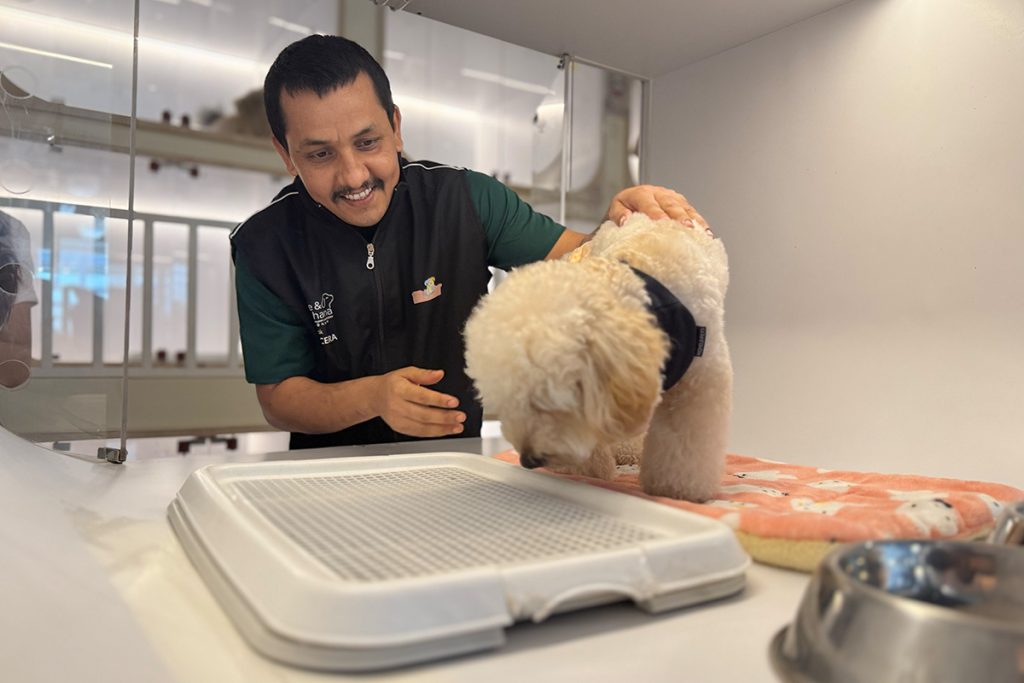
How To Choose The Right Pet Boarding Location
Choosing the right option requires careful research. Always:
- Visit the Facility: Schedule a tour to observe the cleanliness and how the staff interacts with the animals.
- Check Qualifications: Inquire about staff training in pet first aid and CPR.
- Review Policies: Ask about vaccination requirements for all animals and the facility’s emergency procedures.
- Read Reviews: Check online reviews and testimonials from other pet owners to get a sense of their experience.
Preparing Your Pet for Boarding
To ensure a smooth experience, prepare your pet by:
- Updating Vaccinations: Most facilities require up-to-date vaccinations to prevent the spread of illness.
- Packing Essentials: Pack enough of your pet’s regular food, any necessary medications, and a comfort item like a favourite blanket or toy.
- Providing Information: Leave the facility with your contact information and that of a trusted emergency contact.
How Long Does It Take for Pets to Adjust to Boarding
Adjustment time varies depending on the pet’s temperament and past experiences.
- First time boarders: May need one to three days to settle into a new environment.
- Experienced boarders: Often adjust within a few hours as they recognise routines.
- Anxious pets: May benefit from short stays before longer boarding periods.
- Consistent routines: Familiar feeding times, exercise schedules, and comfort items speed up adjustment.
Patience and preparation help pets feel more secure during their stay.
Pet Boarding VS Pet Sitting
Here’s a simple comparison to help you compare between pet boarding and pet sitting to see which one best suits your needs.
| Aspect | Pet Boarding | Pet Sitting |
| Location | Your pet stays at a professional facility such as a kennel or pet hotel. | A professional comes to your home, or your pet stays at the sitter’s home. |
| Environment | A new setting, with either shared spaces or private enclosures. | Your pet remains in its familiar home environment, or in a cosy home-like setting with the sitter. |
| Socialisation | High opportunity for interaction with other pets through supervised group play. | Limited or no interaction with other animals, unless the sitter has pets of their own. |
| Supervision | Regular supervision from trained staff, often available around the clock. | Ranges from scheduled drop-in visits to extended or overnight stays. |
| Best For | Social, adaptable pets that enjoy structure, routine, and group activity. | Anxious, senior, or shy pets that are more comfortable in calm, familiar surroundings. Also well-suited for multi-pet households. |
Key Takeaway for Pet Owners
Pet boarding can be a positive, safe, and enriching experience if approached thoughtfully. Keep these points in mind:
- Pet boarding provides structured care: Pets benefit from supervision, consistent routines, and professional support while owners are away.
- Options vary widely: Different facilities offer varying levels of socialisation, enrichment, accommodation, and staff engagement. Choosing the right fit ensures your pet’s comfort and happiness.
- The right match matters: Pets have unique personalities, preferences, and needs. Selecting a service that suits their temperament can reduce stress and enhance enjoyment during the stay.
- Preparation reduces stress: Bringing familiar items, updating vaccinations, and providing detailed instructions helps pets settle faster and enjoy a smoother transition.
- Positive boarding experiences build trust: When pets feel secure, cared for, and engaged, they are less likely to develop behavioural issues and more likely to associate boarding with positive experiences.
With the right preparation and facility, pet boarding becomes a stress-free solution for owners and a safe, engaging environment for pets.
Conclusion
Whether you choose a luxury pet hotel, a traditional kennel, or an in-home sitter, the goal remains the same: to provide your pet with a safe and comfortable environment while you’re away. By understanding the different options and preparing your pet adequately, you can ensure a stress-free experience for everyone involved.
Ready to find the perfect vacation spot for your furry friend? Visit us to explore more on our services or contact our team to book your pet’s stay!